The Hidden Danger of the Post-Meal Slump
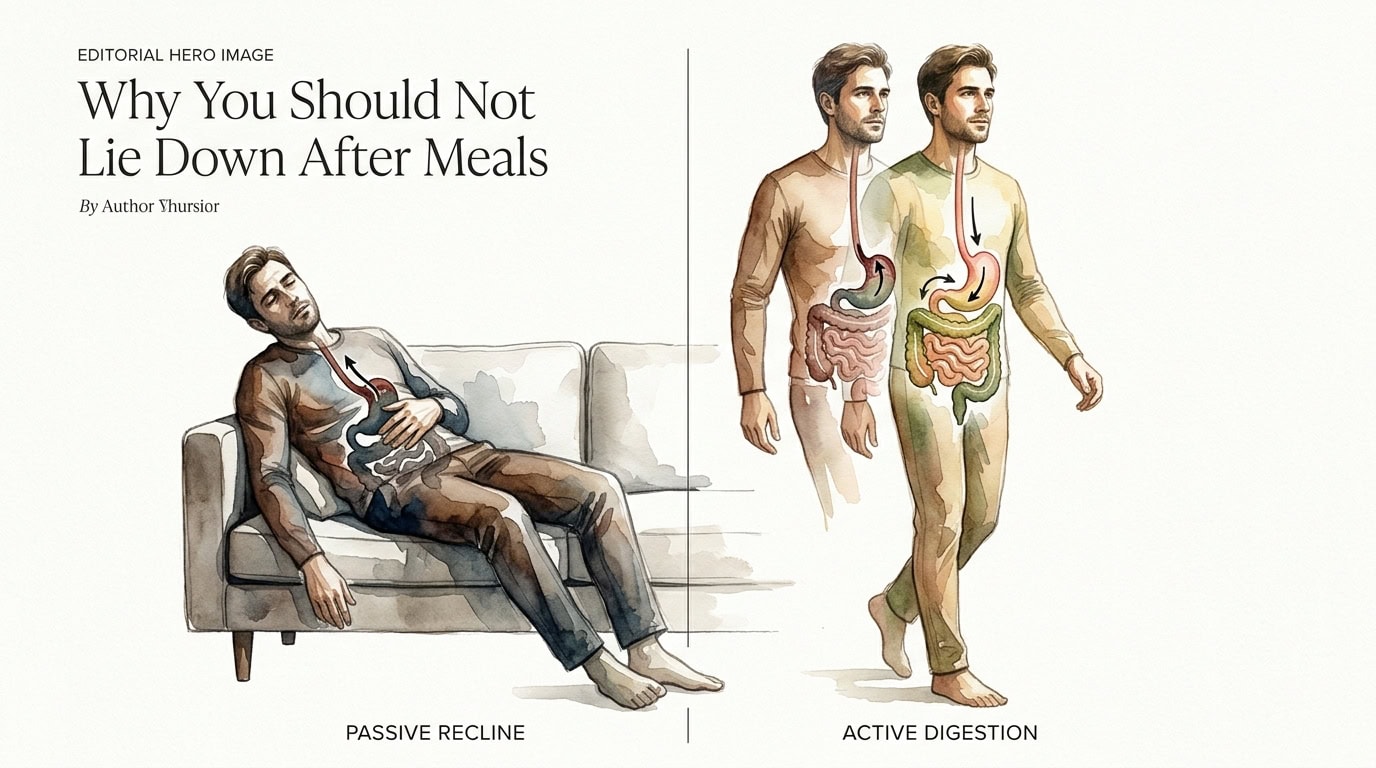
Your favorite post-dinner relaxation spot is actually a green light for stomach acid to flood your throat. Most of us think a post-meal nap is a reward, but for your esophagus, it’s a disaster. When you go passive right after eating, you’re literally turning off the gravity shield that keeps acid down. Discover why 15 minutes of movement is better than any pill.
For generations, our ancestors knew better than to collapse into a soft chair the moment the plate was cleared. They had chores to finish, wood to stack, or at the very least, a walk to take across the homestead. This simple habit of staying upright and mobile wasn’t just about productivity; it was an intuitive understanding of how the human body processes fuel.
Modern life has conditioned us to seek the immediate “food coma” as a form of luxury. We finish a heavy meal and head straight for the recliner, unaware that we are sabotaging our internal machinery. Understanding the difference between passive recline and active digestion is the first step toward reclaiming your digestive health and metabolic energy.
This guide will walk you through the mechanics of your gut and why gravity is your greatest ally in the quest for comfort. You will learn how to transition from a state of post-meal lethargy to a disciplined routine that supports your body’s natural rhythms. Let’s look at why that horizontal rest is costing you more than you think.
Why You Should Not Lie Down After Meals
Lying down after a meal is a direct invitation for digestive distress. When you are standing or sitting upright, gravity acts as a natural anchor, keeping the contents of your stomach where they belong. The moment you move to a horizontal position, you remove that physical barrier, allowing gastric juices to migrate upward.
The stomach is a highly acidic environment designed to break down tough proteins and fats. It is lined with a protective layer that can handle this corrosive environment, but your esophagus is not. When you lie down, the acidic slurry of half-digested food can leak through the valve connecting the two, causing inflammation and pain.
In real-world terms, imagine a bottle filled with liquid. If the cap is slightly loose and you keep the bottle upright, the liquid stays inside. If you tip that bottle on its side, the liquid immediately begins to seep through the weak point. Your lower esophageal sphincter is that cap, and it is rarely a perfect seal.
This habit exists because our brains interpret the surge of insulin and the shift in blood flow to the gut as a signal to rest. However, this physiological cue is a trap in the modern world of caloric abundance. Staying upright ensures that the mechanical process of digestion can proceed without interrupting the delicate tissues of the upper digestive tract.
How Digestion Works and Why Movement Matters
Digestion is a high-energy, mechanical, and chemical process that begins the moment food enters your mouth. Once food hits the stomach, muscles begin a rhythmic churning known as peristalsis. This process requires significant blood flow and a stable orientation to move the bolus toward the small intestine.
The lower esophageal sphincter (LES) is a ring of muscle that acts as a one-way valve. Its primary job is to open to let food in and then snap shut to prevent backflow. When you lie down, the pressure of the stomach contents presses directly against this valve, often forcing it open or allowing acid to seep past it.
Active digestion is facilitated by the gentle movement of the body. A slow walk or light household chores stimulate the muscles of the gastrointestinal tract. This stimulation helps move food through the stomach faster, a process known as gastric emptying. The sooner the food moves into the small intestine, the lower the risk of reflux.
To implement this, you must commit to staying vertical for at least two to three hours after your last bite. If you must rest, choose a seated position with your back supported. This simple change in geometry allows your stomach to work as a churn rather than a leaking vessel. Discipline here is the key to long-term esophageal health.
The Role of Gastric Emptying
Gastric emptying is the rate at which food leaves your stomach and enters the duodenum. Factors like the fat content of the meal and your physical posture significantly influence this speed. High-fat meals stay in the stomach longer, increasing the window of time where lying down can cause issues.
When you remain active, you signal to your autonomic nervous system that the body is in a functional state. This helps maintain the tone of the LES and encourages the stomach to process its contents efficiently. Gravity isn’t just a force; it’s a tool that you can use to optimize your metabolic rate.
Benefits of Staying Upright After Eating
The most immediate benefit of staying upright is the prevention of heartburn and acid reflux. By keeping the stomach contents below the level of the esophagus, you avoid the chemical burns that lead to that familiar “chest fire.” Over time, this protects you from more serious conditions like Barrett’s esophagus or chronic inflammation.
Beyond reflux prevention, staying active after a meal helps regulate blood sugar levels. A short, 15-minute walk helps your muscles soak up the glucose entering your bloodstream. This prevents the massive insulin spikes that lead to the dreaded afternoon slump or late-night fatigue.
Staying upright also aids in the reduction of bloating and gas. When food moves efficiently through the digestive system, it is less likely to ferment and produce excess gas in the stomach. You will find that your clothes fit better and your midsection feels less pressurized after a meal.
Improved nutrient absorption is another silent benefit. When digestion is unimpeded by postural issues, the body can more effectively break down food into its constituent parts. This ensures that the hard-earned nutrients from your meal actually make it into your system rather than causing irritation along the way.
Summary of Benefits
- Prevents acid reflux and the long-term damage of GERD.
- Enhances gastric emptying, moving food to the small intestine faster.
- Stabilizes blood glucose levels and reduces insulin demand.
- Minimizes bloating, gas, and general abdominal discomfort.
- Boosts overall metabolic health through light, post-prandial thermogenesis.
Challenges and Common Mistakes
The biggest challenge is the cultural habit of the “post-meal collapse.” Most people view the couch as the natural destination after a large dinner. Overcoming this requires a shift in mindset, viewing the end of the meal as the beginning of a short period of light duty rather than total relaxation.
Another common mistake is confusing “staying upright” with “intense exercise.” Going for a heavy run or lifting weights immediately after eating can actually hinder digestion. Intense activity diverts blood flow away from the gut and toward the skeletal muscles, which can cause cramping and nausea.
Late-night snacking is a frequent pitfall that forces you to choose between sleep and digestion. If you eat a large snack right before bed, your body is forced to digest while you are horizontal. This often leads to poor sleep quality and a “sour” feeling in the morning, which many people mistake for hunger.
Tight clothing also presents a significant challenge to the digestive process. Belts or waistbands that are too tight increase intra-abdominal pressure. When combined with a full stomach and a seated or reclining position, this pressure virtually guarantees that acid will be pushed upward into the esophagus.
Limitations and When This May Not Be Ideal
While staying upright is generally the best practice, there are specific medical conditions where modifications are necessary. People with gastroparesis, a condition where the stomach empties too slowly, may find that even light movement causes extreme discomfort. In these cases, a doctor’s guidance on posture is essential.
Severe orthostatic hypotension, where blood pressure drops significantly upon standing, may make a post-meal walk dangerous for some individuals. For these people, sitting in a firm, high-backed chair is a safer way to maintain a vertical orientation without risking a fall or fainting spell.
Environmental factors can also limit your ability to move after a meal. Extreme heat or cold can put undue stress on the cardiovascular system while it is already working to support digestion. In such cases, indoor movement or simply standing while performing light tasks is a better alternative than an outdoor walk.
Pregnancy introduces a unique set of physical constraints. As the baby grows, it puts upward pressure on the stomach, making reflux almost inevitable. While walking is still beneficial, pregnant women may find that they need to eat much smaller meals and use specialized pillows to stay propped up at an angle even while resting.
Passive Recline vs. Active Digestion
It is helpful to compare the two primary post-meal states to understand the long-term impact on your health. Passive recline is the default of the modern sedentary lifestyle, while active digestion is the disciplined approach of the health-conscious individual. The differences are measurable and significant.
| Feature | Passive Recline | Active Digestion |
|---|---|---|
| Reflux Risk | High; gravity promotes backflow. | Low; gravity keeps acid down. |
| Blood Sugar | Spikes; glucose lingers in the blood. | Stable; muscles use glucose for energy. |
| Transit Time | Slow; food lingers in the stomach. | Fast; peristalsis is stimulated. |
| Energy Levels | Drowsiness and “food coma.” | Sustained alertness and vitality. |
| Comfort | Bloating and potential heartburn. | Lightness and digestive ease. |
Practical Tips and Best Practices
Start by implementing the “15-minute rule.” Commit to 15 minutes of standing or light walking immediately after every major meal. This is not a workout; it is a functional movement. You can clear the table, load the dishwasher, or take a slow stroll around the block to satisfy this requirement.
If you feel the urge to sit, use a chair that encourages good posture. Avoid deep, plush sofas that cause you to slouch and compress your midsection. A dining chair or a firm armchair that keeps your torso elongated is a much better choice for the first hour after eating.
Time your last meal of the day to be at least three hours before you intend to go to sleep. This gives your stomach ample time to move the majority of its contents into the small intestine. If you find yourself hungry late at night, opt for a small, liquid-based snack rather than a heavy, solid meal.
Invest in a wedge pillow if you suffer from chronic nocturnal reflux. These pillows are designed to keep your upper body at a slight incline, usually between 30 and 45 degrees. This angle is often enough to keep acid at bay while still allowing you to get the rest you need for recovery.
- Perform light household chores like sweeping or tidying up.
- Practice “pacing” while on a phone call or reading.
- Avoid drinking massive amounts of water during the meal, which can increase stomach volume.
- Loosen your belt or wear comfortable clothing before you begin eating.
- Focus on slow, deep nasal breathing to support the parasympathetic nervous system.
Advanced Considerations for Digestive Health
For those who want to optimize their digestion further, consider the role of the vagus nerve. The vagus nerve is the primary highway for communication between the brain and the gut. Light movement and upright posture help maintain the “rest and digest” state necessary for the vagus nerve to function correctly.
Metabolic flexibility is also enhanced by avoiding the post-meal slump. When you move after eating, you encourage your body to switch more efficiently between burning glucose and burning fat. This long-term adaptation makes it easier to maintain a healthy weight and avoid metabolic syndrome.
Consider the timing of your fiber intake. Eating fiber-rich vegetables at the start of a meal can create a “mesh” in the stomach that slows the absorption of sugars. When followed by light movement, this combination creates a powerful defense against insulin resistance and digestive sluggishness.
Observe your circadian rhythm. The body’s ability to produce digestive enzymes and stomach acid peaks during daylight hours and tapers off at night. Eating large meals late and then lying down is a double insult to your biology, as you are asking the body to perform a complex task when it is trying to enter a repair phase.
Real-World Scenarios and Examples
Consider the “Sunday Roast” scenario. Traditionally, families would sit for a large, heavy meal in the early afternoon. Following this, it was common to go for a “Sunday walk.” This tradition served a vital physiological purpose, helping the body process a high-calorie intake without the discomfort of bloating or reflux.
Compare this to the “Modern Movie Night.” You eat a large pizza or a bowl of heavy pasta and then immediately transition to a horizontal position on the couch to watch a two-hour film. Within thirty minutes, you feel a dull pressure in your chest and a sense of extreme lethargy. The difference is purely postural.
In a professional setting, the “Business Lunch” often leads to a productive afternoon or a total loss of focus. Those who return to their desks and stand at a workstation or take a short walk back to the office find their mental clarity returns quickly. Those who sit slumped in a chair often battle the “2 PM crash” as their body struggles to digest while stationary.
Another example is the “Traveler’s Trap.” After a long day of driving or flying, people often eat a large hotel meal and go straight to bed. The combination of travel stress and immediate reclining often leads to a poor night’s sleep and a sluggish start the next day. A simple 10-minute walk in the hotel hallway can change the entire trajectory of the trip.
Final Thoughts on Post-Meal Habits
The habit of staying upright after eating is a cornerstone of self-reliant health. It requires no expensive equipment, no supplements, and no complex protocols. It only requires the grit to resist the siren song of the couch and the discipline to respect the mechanical needs of your own body.
By making gravity your ally, you protect your esophagus, stabilize your energy, and ensure that your metabolism works for you rather than against you. This is not about a quick fix; it is about a fundamental shift in how you inhabit your body after fuel has been consumed.
Take the lessons learned here and apply them to your next meal. Stand up, move a little, and give your stomach the space and orientation it needs to do its job. Your future self, free from the burn of acid and the fog of lethargy, will thank you for the effort.