Why our ancestors never needed a prescription for indigestion. We’ve been taught to mask the fire with chemicals, but our ancestors knew how to quench it for good. Discover the 2026 resurgence of bitter tonics.
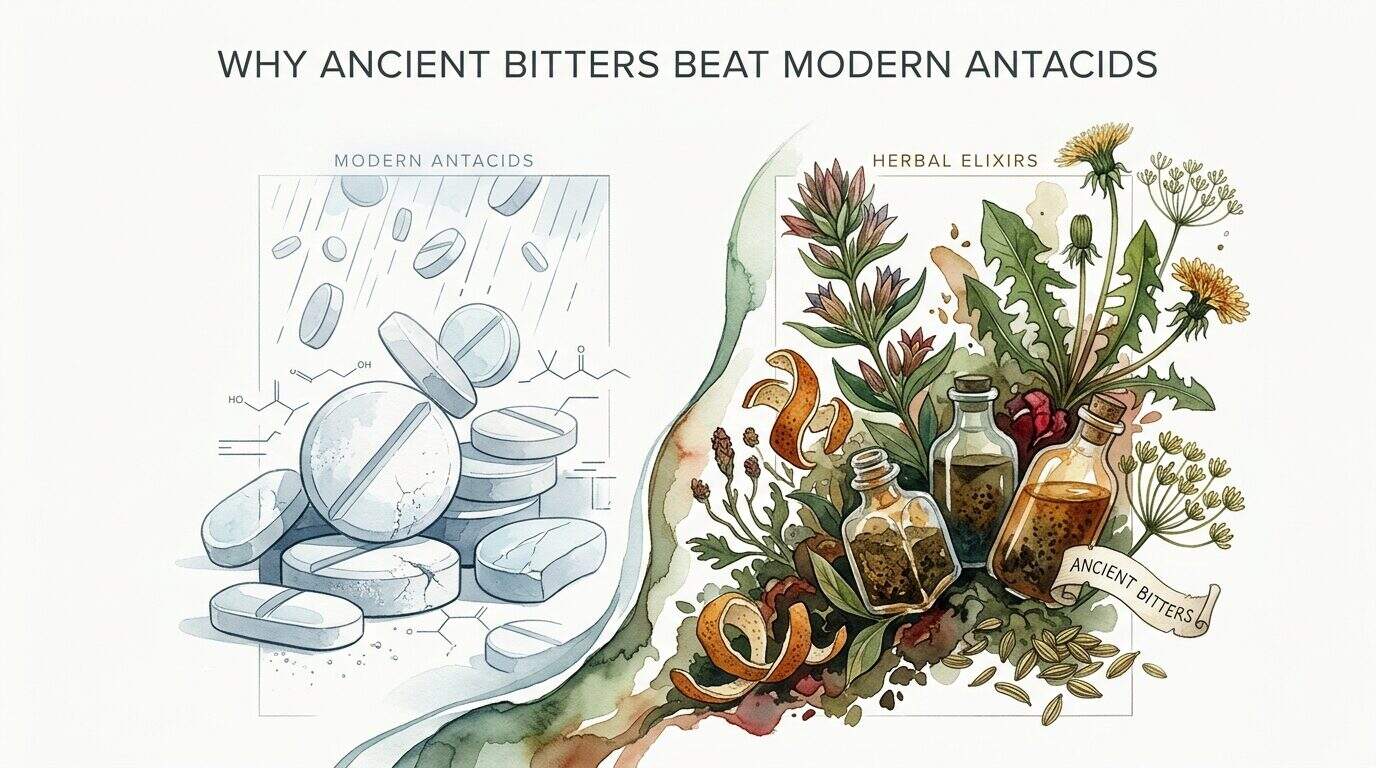
Modern medicine often treats the body like a series of isolated parts that need to be silenced. When the stomach burns, we reach for a chalky tablet to neutralize the acid. We have been conditioned to believe that the fire itself is the enemy, rather than a signal that the digestive system is struggling to perform its basic duties.
Our predecessors lived in a world where the flavor profile of “bitter” was a daily reality. From wild greens to medicinal roots, their palates were primed to recognize these compounds as essential triggers for health. They didn’t view a heavy meal as a precursor to a pharmacy visit, but rather as an occasion for a bitter elixir crafted from the earth.
This resurgence in bitter tonics isn’t just a trend for the health-conscious; it is a return to a fundamental biological necessity. We are rediscovering that the tongue is the gateway to the gut. By reintroducing these ancient flavors, we can wake up a dormant digestive system and move away from the cycle of temporary chemical relief.
In this guide, we will explore the science and tradition behind bitter tonics. You will learn why these herbal elixirs outperform modern antacids and how to integrate them into your daily routine. We are stepping back into a world where the remedy grows in the soil, not in a plastic bottle.
Why Ancient Bitters Beat Modern Antacids
To understand the power of bitters, we must first look at what a modern antacid actually does. Most over-the-counter tablets are designed to neutralize stomach acid or inhibit its production. While this provides immediate relief from the burning sensation of reflux, it often ignores the underlying cause of the problem.
Digestive health relies on a strong, acidic environment to break down proteins and kill pathogens. When we artificially raise the pH of the stomach, we hinder our ability to absorb nutrients like B12, magnesium, and calcium. We are effectively trading short-term comfort for long-term nutritional deficiency and weakened digestion.
Ancient bitters work on an entirely different principle. Instead of silencing the stomach, they stimulate it. Bitterness is a signal to the brain that sets off a “bitter reflex.” This reflex triggers the production of saliva, stomach acid, bile, and pancreatic enzymes before the food even reaches the stomach.
Think of bitters as a coach for your digestive system. They don’t do the work for you; they demand that your organs perform their natural functions at peak efficiency. This approach addresses the root cause of indigestion—sluggishness—rather than just masking the symptoms of a poorly functioning gut.
Where modern antacids act as a fire extinguisher that ruins the kitchen, bitters are the airflow that ensures the fire burns clean and efficient. This fundamental shift in perspective is why herbal elixirs have sustained human health for thousands of years across every continent and culture.
The Biological Blueprint: How Bitters Work
The human body is equipped with bitter taste receptors (T2Rs) not just on the tongue, but throughout the entire digestive tract and even in the lungs and heart. These receptors are sensitive to alkaloids and other plant compounds that signify the presence of medicine or, in some cases, toxins. This sensitivity is a survival mechanism that we have largely ignored in the age of processed sugars.
When a bitter substance touches the back of the tongue, the glossopharyngeal nerve sends an immediate signal to the vagus nerve. This “vagal tone” is the master controller of the parasympathetic nervous system, also known as the “rest and digest” state. Bitters tell the body that it is time to slow down and prepare for incoming nourishment.
This signal causes the stomach to release gastrin, a hormone that stimulates the production of hydrochloric acid (HCl). This is crucial because many people who suffer from “heartburn” actually have too little stomach acid, not too much. Without enough acid, the lower esophageal sphincter fails to close properly, allowing what little acid is present to splash upward.
Bitters also stimulate the gallbladder to release bile. Bile is essential for the emulsification of fats and the absorption of fat-soluble vitamins like A, D, E, and K. Furthermore, bitters prompt the pancreas to secrete digestive enzymes that break down carbohydrates and proteins. The entire system is brought online through a single drop of concentrated herbal essence.
The Cephalic Phase of Digestion
Digestion doesn’t start in the stomach; it starts in the head. This is known as the cephalic phase. By engaging the senses through the intense flavor of bitters, you are priming the pump. This phase accounts for up to 30% of the total acid secretion during a meal, making it an indispensable part of a healthy metabolic cycle.
Bile Flow and Detoxification
The liver is the body’s primary filtration system, and bile is the vehicle that carries toxins out of the liver and into the intestines for elimination. Bitters are “cholagogues,” meaning they promote the flow of bile. This not only aids digestion but also ensures that the liver remains decongested and capable of processing metabolic waste effectively.
Benefits of Reclaiming the Bitter Flavor
The most immediate benefit of using bitter tonics is the reduction of gas, bloating, and post-meal heaviness. When the digestive system is fully activated, food moves through the tract at a steady pace rather than sitting and fermenting. This prevents the buildup of pressure that causes discomfort and that “stuffed” feeling that lingers for hours.
Beyond immediate comfort, bitters play a significant role in blood sugar regulation. Research suggests that bitter receptors in the gut help trigger the release of GLP-1, a hormone that stimulates insulin secretion and promotes a feeling of fullness. This makes bitters an excellent tool for those looking to curb sugar cravings and manage their weight naturally.
Nutrient density is only as good as your nutrient absorption. By increasing the acidity of the stomach and the presence of enzymes, bitters ensure that you are actually getting the vitamins and minerals from the high-quality food you consume. You can eat the most expensive organic diet in the world, but if your digestion is weak, you are simply creating expensive waste.
Bitters also act as a tonic for the gut microbiome. Many bitter herbs, such as Burdock root and Dandelion root, contain inulin, a prebiotic fiber that feeds beneficial bacteria. A healthy bitter intake creates an environment where “good” bacteria thrive, which in turn supports the immune system and mental clarity through the gut-brain axis.
Regular use of bitters can also improve skin health. In traditional Chinese medicine and Western herbalism, the skin is often seen as a reflection of the liver and gut. By improving bile flow and waste elimination, bitters can help clear up inflammatory skin conditions like acne, eczema, and psoriasis from the inside out.
Challenges and Common Mistakes
The biggest challenge most people face when starting with bitters is the taste itself. Our modern diet is heavily skewed toward sweet and salty flavors, making the bitter profile feel jarring or even unpleasant at first. Many people make the mistake of trying to “hide” the bitters in a sweet juice, which can actually bypass the bitter receptors on the tongue and negate the primary reflex.
Another common error is poor timing. For the cephalic phase of digestion to work, bitters should ideally be taken 10 to 15 minutes before a meal. Taking them after you are already bloated may provide some relief, but you’ve missed the window to prevent the problem in the first place. Consistency is key; the body learns to respond more efficiently to the signal over time.
Sourcing is also a frequent pitfall. Many commercial “cocktail bitters” are high in sugar and artificial flavorings, containing very little actual medicinal plant material. To see real results, you need a tincture that uses high-quality, whole-plant extracts. Look for traditional ingredients like Gentian, Angelica, and Wormwood without the addition of corn syrup or synthetic dyes.
Finally, some users assume that “more is better.” Bitters are incredibly potent. A few drops or a small spray on the tongue is usually sufficient to trigger the digestive cascade. Taking excessive amounts won’t necessarily lead to better digestion and can, in some cases, cause mild nausea or irritation if the herbs are particularly strong.
Limitations: When Bitters May Not Be Ideal
While bitters are generally safe for most people, there are specific situations where they should be used with caution or avoided entirely. If you have an active stomach ulcer or gastritis, the stimulation of more stomach acid can be painful and may exacerbate the condition. In these cases, soothing “demulcent” herbs like Marshmallow root or Slippery Elm are more appropriate.
Those with large gallstones should consult a healthcare provider before using strong bitter tonics. Because bitters stimulate the gallbladder to contract and release bile, they could potentially cause a stone to become lodged in the bile duct if the stone is of a certain size. This is a rare but serious consideration for those with known gallbladder disease.
Pregnancy is another time for caution. Some traditional bitter herbs, like Wormwood or Rue, contain compounds that are contraindicated during pregnancy as they can stimulate uterine contractions. While mild culinary bitters like Orange peel or Dandelion are usually safe in moderation, it is always best to stick to gentle formulations during this time.
There is also the reality of environmental sensitivity. If you are foraging for your own bitter herbs, you must be certain of the identification and the soil quality. Plants like Dandelion and Burdock easily absorb heavy metals and pesticides from the surrounding environment. Always ensure your source is clean and sustainably harvested to avoid introducing toxins into your system.
Chalky Tablets vs. Herbal Elixirs
To visualize the difference between these two approaches, consider the following comparison based on physiological impact and long-term sustainability.
| Feature | Chalky Tablets (Antacids) | Herbal Elixirs (Bitters) |
|---|---|---|
| Primary Mechanism | Neutralizes or stops acid production. | Stimulates acid and enzyme secretion. |
| Speed of Relief | Immediate (minutes). | Preventative (takes 10-15 mins to prime). |
| Nutrient Absorption | Decreases absorption of B12 and minerals. | Increases absorption and bioavailability. |
| Long-Term Effect | Can lead to dependency and “rebound” acid. | Strengthens the digestive system over time. |
| Liver Support | None (may increase liver load). | Promotes bile flow and detoxification. |
As the table illustrates, the “Chalky Tablet” approach is a reactive strategy that provides a quick fix but potentially creates a larger problem down the road. The “Herbal Elixir” approach is a proactive strategy that builds resilience and leverages the body’s natural intelligence.
Practical Tips for Integrating Bitters
If you are new to bitters, start with a “gentle” bitter profile. Herbs like Dandelion root, Chamomile, and Orange peel provide a mild stimulation that is easier on the palate. As your taste buds adapt, you can move toward “sturdier” bitters like Gentian or Artichoke leaf, which offer a more profound digestive kick.
Creating a ritual around your meals is one of the best ways to ensure success. Keep a small bottle of bitters on your dining table. Before you sit down to eat, place 5-10 drops on your tongue. Take a moment to actually taste the bitterness. This mindful pause not only helps the bitters work but also shifts your nervous system out of “fight or flight” and into “rest and digest.”
You can also incorporate bitter foods directly into your diet. Arugula, radicchio, endive, and kale are excellent additions to a pre-meal salad. Dressing these greens with a high-quality vinegar and olive oil further enhances the digestive benefits. The goal is to make bitterness a familiar friend rather than a foreign invader.
For those who enjoy DIY projects, making your own bitter tincture is straightforward and rewarding. You will need a high-proof alcohol (like vodka or brandy), a selection of dried bitter herbs, and some aromatic carminatives (like Ginger, Cardamom, or Fennel) to round out the flavor. Steep the herbs in the alcohol for 4-6 weeks, strain, and you have a custom elixir that will last for years.
Advanced Considerations for the Serious Practitioner
For those looking to optimize their digestive health further, understanding the concept of “Carminatives” is essential. While bitters stimulate secretions, carminative herbs help to move gas through the system and relax the smooth muscles of the gut. Combining bitters with carminatives creates a comprehensive digestive aid that addresses both sluggishness and cramping.
Consider the role of “Supertasters.” About 25% of the population has an increased number of fungiform papillae on their tongue, making them extremely sensitive to bitter compounds. If you find that even a tiny amount of bitters causes an overwhelming reaction, you may be a supertaster. In this case, you should use highly diluted bitters or focus on the milder bitter foods to avoid over-stimulating your system.
The “Bitter-Sweet” balance is also a fascinating area of study. In traditional apothecary work, small amounts of honey or glycerin were sometimes added to bitter tinctures. This isn’t just for flavor; the small amount of sweetness can help “carry” the bitter signal and prevent the tongue from becoming totally desensitized. However, the bitter flavor must remain dominant for the reflex to occur.
Seasonality also plays a role in bitter selection. In the spring, the body naturally seeks out “cleansing” bitters like Dandelion and Burdock to clear out the stagnation of winter. In the colder months, warming bitters that include Cinnamon or Angelica help maintain digestive fire when the external environment is damp and cold. Aligning your bitter choices with the seasons is a master-level practice in ancestral health.
Scenario: The “Holiday Gut” Recovery
Imagine it is late December. You have just finished a large, heavy meal filled with fats, sugars, and complex proteins. Typically, you would spend the next three hours on the couch, feeling like a lead weight is sitting in your stomach, eventually reaching for an antacid before bed.
Now, imagine a different scenario. Ten minutes before that meal, you took a dose of a Gentian and Ginger bitter tonic. Your mouth watered, your stomach felt a slight “rumble” of readiness, and you enjoyed the meal with a heightened sense of taste. After the meal, instead of the lead weight, you feel a sense of warmth and movement.
Your body has the enzymes it needs to break down the turkey, the bile to process the gravy, and the HCl to sanitize the whole mix. Because your digestion is efficient, your blood sugar remains stable, and you avoid the “food coma.” By 9:00 PM, you feel light and energized rather than drained. This is the difference between surviving a meal and thriving through it.
Final Thoughts
The resurgence of bitter tonics in 2026 is more than a culinary trend; it is a vital reclamation of our biological heritage. We have spent decades trying to sweeten our way out of discomfort, only to find that the answer was in the very flavors we tried to erase. By reintroducing bitterness, we are giving our bodies the tools they need to function as they were designed.
Embracing the bitter flavor is an act of pioneer-grit. it requires moving past the desire for instant, sugar-coated relief and toward a deeper understanding of how our organs actually work. It is a commitment to long-term health, better nutrient absorption, and a more resilient digestive system that doesn’t rely on a chemical crutch.
Start small, be consistent, and pay attention to how your body responds. You may find that as your digestion improves, so does your energy, your skin, and your relationship with food. The wisdom of our ancestors is still available to us, hidden in plain sight within the roots and leaves of the earth. It’s time to stop masking the fire and start feeding the digestive flame correctly.