Are you just managing the symptoms or training your body to win?
Don’t be a slave to the bottle. Build a resilient gut that manages itself using 2026’s targeted herbal protocols. Modern life has conditioned us to reach for a chalky tablet the moment we feel a flare-up. This habit creates a cycle of dependency that weakens your natural defenses over time.
The path to a resilient digestive system isn’t found in a pharmacy aisle. It is found in reclaiming the biological functions your body already knows how to perform. We are moving away from the era of the DAILY PILL and entering the era of the TONED VALVE.
True health means your stomach works for you, not against you. This guide will show you how to transition from suppressing your symptoms to strengthening your internal mechanics. You deserve a gut that can handle a hearty meal without a chemical escort.
How To Stop Taking Antacids
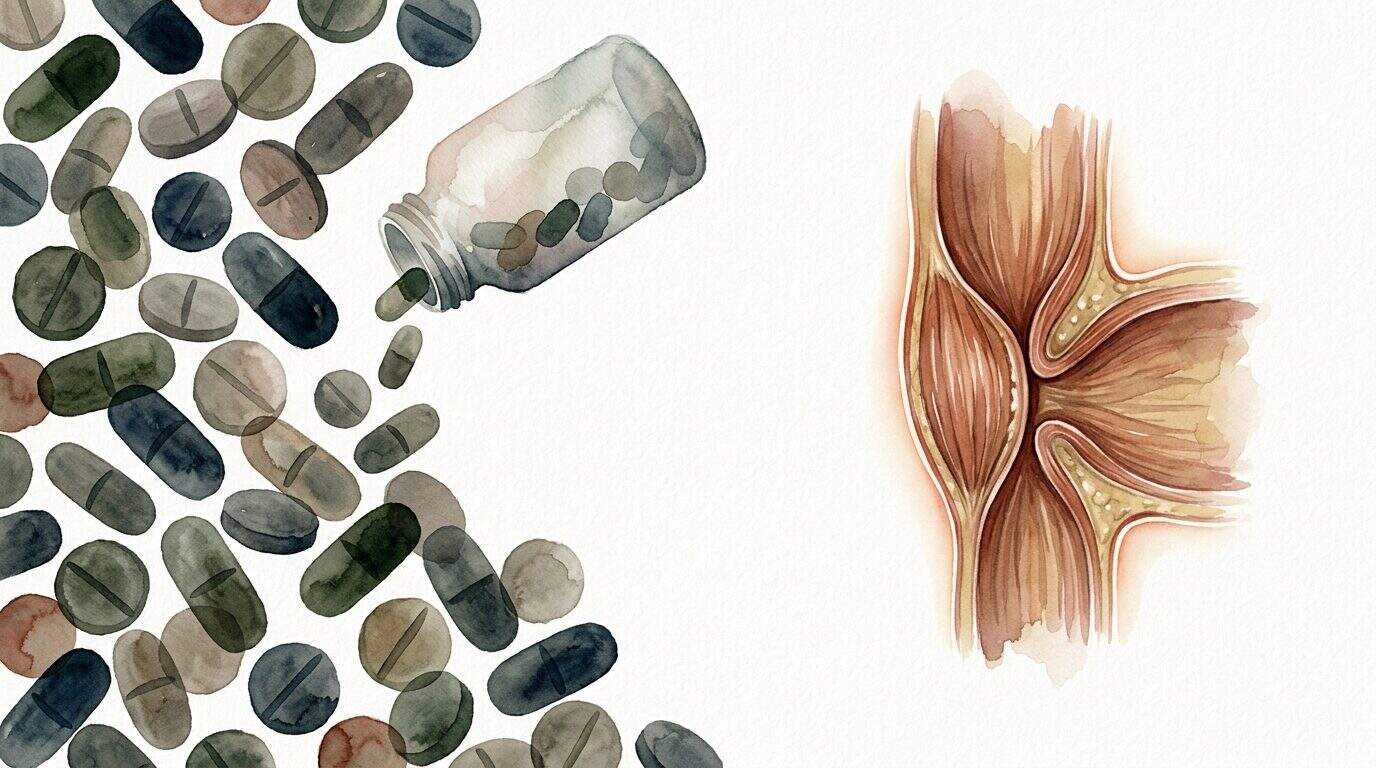
Stopping antacids is not just about putting the bottle back in the cabinet. It is a process of recalibrating your stomach’s pH levels and restoring the structural integrity of your digestive tract. Most people use these medications to neutralize acid, but the root cause is often a lack of acid or a weak valve.
When you take an antacid, you are essentially dousing a fire that your body needs for survival. Stomach acid is required to break down proteins, kill pathogens, and signal the rest of your digestive system to wake up. Without it, food sits heavy, ferments, and creates the very pressure that leads to reflux.
This transition exists to bridge the gap between chemical reliance and organic self-sufficiency. It is used by anyone who feels “tethered” to their medication after every meal. Real-world success involves a slow tapering process combined with the introduction of bitter herbs and soothing mucilage.
Imagine a gatekeeper at a castle. If the gatekeeper is sleepy, the gate stays open and the wrong people get in. Antacids put your gatekeeper to sleep. We want to wake that gatekeeper up so the seal stays tight and the acid stays where it belongs.
How the Transition Works: A Step-by-Step Protocol
You cannot simply stop long-term antacid use overnight without facing a “rebound effect.” Your body has been overproducing the hormone gastrin to compensate for the low acid. When you stop the pills, your stomach pumps out a massive surge of acid that can be incredibly painful.
The first step is the Taper Phase. You must slowly reduce your dosage over two to four weeks. If you take two pills a day, move to one and a half for a week, then one, then half. This gives your parietal cells time to adjust their production levels without panicking.
During this taper, you introduce Soothing Agents. Herbs like Slippery Elm or Marshmallow Root create a physical barrier on the lining of the esophagus. This protects your tissue from any stray acid while you are retraining the system. Think of this as a temporary shield while you rebuild your armor.
The third step is the Bitter Stimulus. About fifteen minutes before you eat, take a small dose of digestive bitters like Gentian or Angelica. These herbs signal your brain to tighten the Lower Esophageal Sphincter (LES) and prepare the stomach for work. This is the “Toned Valve” approach in action.
Finally, you address Hydration and Timing. Stop drinking large amounts of water during your meals. Excess liquid dilutes the acid you do have, making digestion harder. Drink your water between meals to keep the mucosal lining hydrated without flooding the engine during a drive.
Benefits of Reclaiming Your Digestive Fire
The most immediate benefit is Nutrient Absorption. Many people on long-term antacids are actually malnourished despite eating well. You need acid to extract Vitamin B12, Iron, Magnesium, and Calcium from your food. Restoring acid means restoring your energy and bone health.
You will also notice a significant improvement in Protein Digestion. When acid levels are correct, pepsin is activated to shred proteins into amino acids. This reduces bloating and that “heavy brick” feeling in the gut after a meal. Your muscles and skin will thank you for the extra building blocks.
A resilient gut acts as a Pathogen Barrier. Stomach acid is your first line of defense against food poisoning, parasites, and harmful bacteria like H. Pylori. By maintaining a strong acidic environment, you make your internal world a hostile place for invaders.
Mental clarity often follows digestive repair. The gut-brain axis is a real physical connection via the vagus nerve. When your digestion is smooth and efficient, the constant background noise of discomfort vanishes, allowing your mind to focus on more important tasks.
Challenges and Common Mistakes
The biggest mistake is Quitting Cold Turkey. This almost always leads to a massive flare-up that sends the person running back to the antacids. This reinforces the false belief that you “need” the medication to survive, when in reality, it was just a physiological withdrawal.
Another common pitfall is Mistaking Low Acid for High Acid. Because the symptoms of “heartburn” feel like burning, people assume they have too much acid. In many cases, they have too little. Low acid prevents the valve from closing properly, allowing even tiny amounts of acid to splash up into the sensitive esophagus.
Inconsistency with herbal protocols can also stall progress. Herbs are not “magic pills” that work instantly. They are training tools. If you only take your bitters once in a while, your body won’t learn the pattern. You must be diligent for at least thirty days to see a structural shift.
Ignoring the Stress Connection is a major hurdle. Your body cannot digest food when it is in “fight or flight” mode. If you eat while standing up, driving, or arguing, your stomach will not produce the necessary secretions regardless of what herbs you take. Peace at the table is a requirement for healing.
Limitations and When Caution Is Required
There are situations where this protocol must be modified or approached with professional guidance. If you have an active Gastric Ulcer, you should not be adding acid-stimulating bitters or vinegar to your routine. In that case, the focus must remain on “Cooling and Coating” until the tissue is healed.
Structural issues like a Hiatal Hernia can also complicate things. This is a physical displacement where part of the stomach pushes through the diaphragm. While herbal protocols help, you may also need manual therapy or specific exercises to help move the stomach back into its proper place.
Long-term use of Proton Pump Inhibitors (PPIs) changes the landscape of the gut microbiome. You might deal with Small Intestinal Bacterial Overgrowth (SIBO) as a result. In these cases, simply stopping the antacid is only one piece of a larger puzzle that involves rebalancing your internal flora.
Always listen to your body’s feedback. If a specific herb causes sharp pain or extreme discomfort, stop immediately. Resilience is built through steady pressure, not through force. Respect the current state of your tissues while you work toward a better future.
Comparing Approaches: Suppression vs. Restoration
It is helpful to look at how these two philosophies differ in the long run. One is a short-term fix with long-term costs, while the other is a short-term investment with long-term gains.
| Feature | The Daily Pill (Antacids) | The Toned Valve (Herbal Protocol) |
|---|---|---|
| Primary Goal | Neutralize or suppress acid. | Stimulate and balance acid. |
| Mechanism | Chemical reaction in the stomach. | Neurological and hormonal signaling. |
| Nutrient Impact | Blocks absorption of key minerals. | Enhances breakdown and absorption. |
| Cost Over Time | High (recurring purchases). | Low (temporary use of herbs). |
| Sustainability | Requires lifelong dependency. | Builds a self-managing system. |
Practical Tips for Success
Start your morning with Warm Lemon Water. It’s a gentle way to wake up the digestive tract and provide a small amount of citric acid to prime the pump. Avoid ice-cold water first thing in the morning, as it can shock the system and slow down circulation to the gut.
The “Chewing Rule” is your best friend. Aim for thirty chews per mouthful. Digestion starts in the mouth with salivary enzymes. The more you break down the food mechanically, the less work your stomach has to do chemically. This reduces the pressure on your esophageal valve.
Incorporate Apple Cider Vinegar if your stomach lining is healthy. A tablespoon in a small amount of water before meals can provide the acidic environment your valve needs to stay shut. It is a simple, old-world remedy that still holds weight in modern practice.
Use a Wedge Pillow if you suffer from nighttime reflux during the transition. Elevating your torso using gravity is a mechanical solution that doesn’t involve chemicals. This keeps the acid down while your “Toned Valve” is still learning how to hold the line on its own.
Advanced Considerations for the Serious Practitioner
If you want to go deeper, look into Vagus Nerve Stimulation. The vagus nerve controls the release of stomach acid and the motility of the entire gut. Techniques like gargling loudly, singing, or cold exposure can tone this nerve, leading to much better digestive outcomes.
Consider the role of Bile Flow. Often, what feels like “acid reflux” is actually bile reflux or a backup in the gallbladder. Bitters don’t just help the stomach; they stimulate the liver to produce bile and the gallbladder to release it. This ensures the entire “conveyor belt” of digestion is moving in the right direction.
Mineral balance is the silent partner in gut health. You need Zinc to produce stomach acid. If you are deficient in zinc, your body physically cannot make the hydrochloric acid it needs. Supplementing with high-quality zinc carnosine can help repair the stomach lining while providing the raw materials for acid production.
Track your triggers without becoming obsessed. Keep a simple log of what you eat and how you feel two hours later. You might find that it’s not the “acid” that’s the problem, but specific inflammatory oils or processed sugars that are relaxing your valve and causing the issue.
Example Scenario: The Thirty-Day Turnaround
Let’s look at a typical practitioner named Elias. Elias had been taking over-the-counter antacids every night for three years. He felt sluggish and bloated, and his “heartburn” was getting worse despite the pills. He decided to follow the transition protocol.
In Week 1, Elias reduced his pill intake by 25% and started taking a Slippery Elm slurry before bed. He noticed a slight increase in warmth in his chest but the herb kept it manageable. He also started chewing his food until it was liquid, which significantly reduced his after-meal bloating.
By Week 3, Elias was down to half a pill every other day. He introduced Gentian bitters before his largest meal. For the first time in years, he felt a “hunger” signal—a sign his body was actually preparing for food. He stopped drinking his usual two glasses of water during dinner.
At the end of the month, Elias was off the pills entirely. He still carries his bitters for heavy restaurant meals, but his daily life is no longer dictated by the bottle. His energy levels have climbed because his body is finally absorbing the nutrients from his steak and greens.
Final Thoughts
Reclaiming your digestive health is an act of grit and patience. We have been taught to fear our stomach acid, but it is actually one of our greatest allies in the pursuit of longevity and vitality. Moving away from the DAILY PILL mindset is the first step toward true autonomy.
The TONED VALVE approach isn’t a quick fix, but it is a permanent one. By using the right herbs, respecting the mechanics of your body, and tapering off chemical crutches, you build a foundation that can last a lifetime. You are training your body to win the internal battle every single day.
Start small today. Perhaps it’s just chewing your food more or buying your first bottle of bitters. Every step toward a resilient gut is a step toward a more capable, energetic version of yourself. Your body knows how to do this—you just have to give it the right environment to succeed.