Chios Mastic Gum: The Ancient Remedy for Reflux and H. Pylori
Before pharmacies existed, these ‘tears of a tree’ were the gold standard for extinguishing digestive fire. We’ve traded ancient wisdom for chemical dependency. Mastic gum from the island of Chios has been used since Hippocrates to eliminate the bacteria that cause reflux, rather than just masking the symptoms with a daily pill.
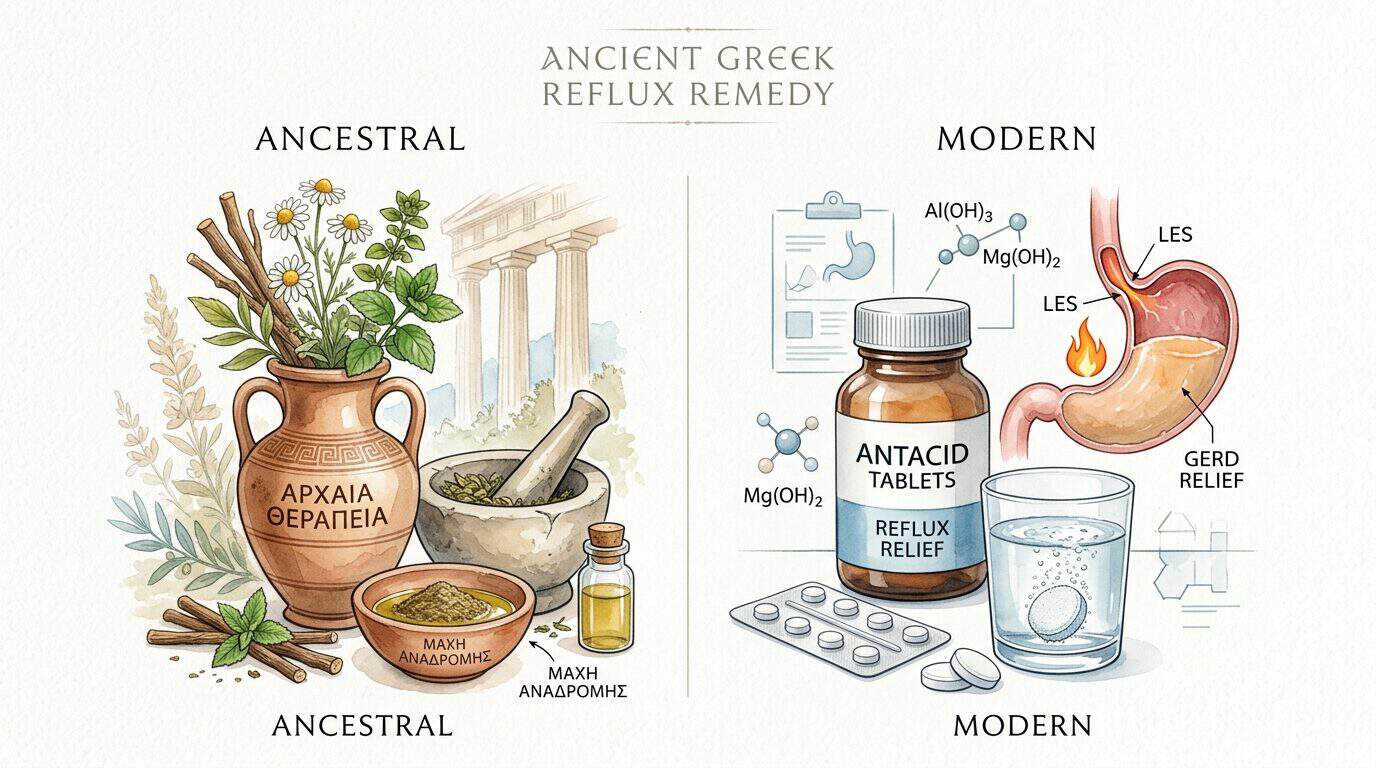
Modern living has disconnected us from the botanical solutions that sustained our ancestors for millennia. We reach for a pink liquid or a chalky tablet the moment our chest begins to burn, forgetting that the earth has already provided a cure. This isn’t about temporary relief; it is about restoring the natural balance of your gut environment.
You are likely here because the standard approach to digestive health hasn’t delivered on its promises. Living with chronic heartburn or the nagging discomfort of H. pylori feels like a constant battle with your own body. Mastic gum offers a different path, one rooted in the rugged hillsides of the Aegean and backed by centuries of successful use.
This guide will walk you through everything you need to know about this powerful resin. We will explore its history, the science of how it works, and how you can integrate it into your own life to reclaim your digestive well-being. It is time to look back to move forward.
Ancient Greek Reflux Remedy
Mastic gum is a resin harvested from the mastic tree, known scientifically as Pistacia lentiscus var. Chia. While this species of evergreen shrub grows across the Mediterranean, only the trees in the southern part of the Greek island of Chios produce the specific resin with medicinal properties. This unique phenomenon is attributed to the island’s specific microclimate and red soil.
The resin is often called the “Tears of Chios” because of the way it beads up and falls from the bark when the tree is scored. These translucent droplets harden in the sun, forming brittle pieces of gum that have been prized since antiquity. Hippocrates, the father of medicine, documented its use for preventing digestive problems and treating colds more than 2,500 years ago.
In the real world, mastic gum acts as a natural antimicrobial and anti-inflammatory agent. It is not a synthetic compound designed in a lab to shut down your body’s acid production. Instead, it is a complex biological substance containing dozens of therapeutic compounds that work in harmony with your digestive tract. Ancient healers recognized that a healthy gut was the foundation of all health, and mastic was their primary tool for maintaining that foundation.
Think of mastic gum as a specialized cleaning crew for your stomach. While modern antacids simply dilute the “fire” of stomach acid, mastic gum goes after the underlying irritants and pathogens that cause the fire to rage out of control in the first place. It is a traditional solution for a very modern epidemic of digestive dysfunction.
How It Works: The Science of the Resin
Understanding how mastic gum works requires a shift in how we think about stomach health. Most people believe reflux is caused by having too much acid, but the reality is often more complex. Mastic gum addresses the problem through several distinct biological mechanisms that target the root cause of the irritation.
The primary strength of Chios mastic gum lies in its potent antibacterial properties, specifically against Helicobacter pylori (H. pylori). This bacterium is a major culprit behind stomach ulcers, gastritis, and chronic acid reflux. Mastic gum contains triterpenic acids that penetrate the cell walls of these bacteria, causing them to break down and die without the need for harsh antibiotics.
Beyond its role as a bacterial hunter, mastic gum acts as a cytoprotective agent. This means it helps to shield the lining of the stomach and esophagus from damage. When you chew the resin or take the powder, it forms a thin, protective film that allows the delicate mucosal lining to heal from previous acid exposure.
The process of using mastic gum is straightforward but requires consistency. For those using the raw resin tears, the act of chewing releases the active compounds slowly into the saliva, which then coats the throat and stomach as you swallow. For those using capsules or powder, the resin dissolves in the stomach, providing a concentrated dose of its therapeutic oils directly where they are needed most.
- Antibacterial Action: It disrupts the metabolic processes of harmful gut bacteria.
- Anti-inflammatory Effect: It reduces the swelling and redness in the esophageal lining.
- Acid Regulation: It helps the body maintain a healthy pH balance without stopping acid production entirely.
- Antioxidant Support: It neutralizes free radicals that contribute to chronic gut inflammation.
Benefits of Choosing Chios Mastic
Choosing an ancestral remedy like mastic gum offers several distinct advantages over modern pharmaceutical interventions. The most significant benefit is the lack of “rebound” symptoms. Many people who use proton pump inhibitors (PPIs) find that their reflux returns with a vengeance when they stop the medication, but mastic gum works to heal the system so it can eventually function on its own.
Another practical benefit is the improvement of oral health. Because mastic gum is naturally antimicrobial, chewing the resin kills the bacteria in the mouth that cause plaque and bad breath. It is a holistic approach that starts at the beginning of the digestive process and carries through to the very end.
Mastic gum also supports healthy cholesterol and blood sugar levels. Studies have shown that regular consumption can lead to a modest decrease in total cholesterol and improved glucose metabolism. This makes it a valuable tool for overall metabolic health, not just digestive relief.
Finally, the safety profile of mastic gum is excellent for most people. Unlike long-term use of antacids, which can lead to nutrient deficiencies (like B12 and magnesium), mastic gum does not interfere with the body’s ability to absorb essential vitamins and minerals. It provides a way to manage symptoms while keeping your nutritional foundation intact.
Challenges and Common Mistakes
The most common pitfall when starting a mastic gum regimen is purchasing the wrong product. Because of its value, “mastic-flavored” resins or lower-quality resins from other regions are frequently sold as the real thing. If the packaging does not explicitly state “Chios Mastic Gum” or carry a Protected Designation of Origin (PDO) seal, you are likely not getting the medicinal-grade resin required for healing.
Patience is another hurdle for many modern users. We are conditioned to expect relief within twenty minutes of swallowing a pill. Mastic gum is a biological intervention that takes time to shift the bacterial landscape of your gut. Many people stop taking it after three days because they aren’t “cured” yet, missing out on the long-term healing that usually begins after two to four weeks of consistent use.
Dosage errors are also frequent. Taking too little won’t provide enough of the active triterpenes to kill H. pylori, while taking too much too quickly can occasionally cause mild constipation as the body adjusts. It is best to start with a moderate dose and increase it gradually as your system becomes accustomed to the resin.
Lastly, some people fail to address their lifestyle while taking the gum. While mastic is powerful, it cannot completely overcome a diet of highly processed oils and excessive sugar. It should be viewed as a partner to a clean, ancestral diet, not a free pass to ignore the foods that trigger your reflux in the first place.
Limitations: When to Use Caution
While mastic gum is a versatile and safe tool, it is not a universal panacea for every situation. Those with known allergies to the Pistacia family (including pistachios and cashews) should avoid mastic gum, as it may trigger an allergic reaction. Always test a very small amount if you have a history of nut or resin sensitivities.
Pregnant and breastfeeding women should consult with a healthcare professional before starting a mastic gum protocol. While there is no evidence of harm, clinical studies on these specific populations are limited. It is always better to exercise caution during these sensitive biological windows.
Environmental factors also play a role in the effectiveness of the resin. Heat can cause mastic gum tears to clump together into a single mass, making them difficult to dose correctly. Storing your mastic in a cool, dry place is essential for maintaining its integrity and ensuring you get the full therapeutic value from every piece.
It is also important to recognize that severe, acute conditions like bleeding ulcers or esophageal blockages require immediate medical intervention. Mastic gum is an incredible tool for chronic management and bacterial eradication, but it is not a substitute for emergency care in a crisis. Knowing the boundaries of natural medicine is a sign of a wise practitioner.
The Modern vs. Ancestral Approach
To truly appreciate the value of mastic gum, we must compare it to the modern standards of care for acid reflux and H. pylori. The modern approach focuses on suppression, while the ancestral approach focuses on eradication and balance. This fundamental difference in philosophy leads to very different long-term outcomes.
| Feature | Modern Antacids/PPIs | Chios Mastic Gum |
|---|---|---|
| Primary Mechanism | Shuts down acid production | Kills bacteria and protects lining |
| Nutrient Absorption | Can inhibit B12, Calcium, Iron | Does not interfere with absorption |
| Long-term Use | Linked to kidney and bone issues | Generally safe for long-term use |
| Cost | Low per dose, high long-term | Moderate per dose |
| Speed of Relief | Fast (minutes to hours) | Slow (days to weeks) |
The complexity of mastic gum is its greatest strength. A pharmaceutical pill is a “silver bullet” designed to hit one specific receptor in the body. Chios mastic is more like a “shotgun blast” of beneficial compounds that support multiple systems simultaneously. While the pill is efficient at stopping a single symptom, the resin is effective at restoring overall health.
Practical Tips for Using Mastic Gum
Using mastic gum effectively requires a bit of technique. If you are using the raw resin tears, start by selecting one or two medium-sized pieces. Place them in your mouth and let them moisten with saliva for a minute before you begin to chew. This prevents the brittle resin from sticking to your teeth like sand.
Once the resin softens, chew it like regular gum. The flavor is distinct—earthy, pine-like, and slightly bitter. This bitterness is actually a signal to your digestive system to begin producing the right enzymes for digestion. Continue chewing for at least 20 to 30 minutes, especially after meals or before bed.
- Empty Stomach is Best: For maximum impact on H. pylori, take your mastic gum first thing in the morning, at least 30 minutes before breakfast.
- Consistent Timing: Try to take it at the same times each day to maintain a steady level of the active compounds in your system.
- Powder Tip: If the taste of the resin is too strong, mix the powder into a small amount of Greek yogurt or water.
- The “Tear” Quality: High-quality mastic tears should be clear or slightly yellow. If they are cloudy or white, they may be old or low-grade.
Monitoring your progress is also vital. Keep a simple log of your symptoms during the first month. Note the intensity of your reflux, the quality of your sleep, and your overall energy levels. Most people notice a gradual “quieting” of their digestive system that becomes more pronounced by week four.
Advanced Considerations for Gut Healing
For those who have struggled with chronic issues for years, combining mastic gum with other ancestral supports can accelerate the healing process. This is known as a synergistic approach, where the combined effect of the herbs is greater than the sum of their parts.
Deglycyrrhizinated Licorice (DGL) is a frequent partner for mastic gum. While mastic kills the bacteria and protects the lining, DGL encourages the production of mucus, which acts as a natural buffer against acid. Using these together can provide a more comprehensive shield for those with severe gastritis or esophageal irritation.
Marshmallow root and Slippery Elm are also excellent companions. These herbs are “mucilaginous,” meaning they create a soothing gel when mixed with water. Taking these alongside mastic gum can provide immediate physical comfort while the mastic works on the deeper microbial issues. It is a layering of support that mimics how ancient people would have utilized a variety of plants from their environment.
Serious practitioners also consider the timing of their mastic gum in relation to their circadian rhythm. Digestion is heavily influenced by the body’s internal clock. Taking a dose of mastic gum before bed can be particularly effective because the body does much of its repair work while you sleep, and the lack of food in the stomach allows the resin to coat the lining more effectively.
Example Protocol: A 30-Day Gut Reset
To help you visualize how to apply this knowledge, here is a standard protocol often used by those looking to address H. pylori or chronic reflux. This is a general framework and should be adjusted based on your individual response and the advice of your health provider.
Week 1: Introduction Phase
Start with 500mg of mastic gum powder or two medium tears once a day, preferably in the morning on an empty stomach. This allows your body to adjust to the resin and prevents any digestive upset. Focus on eliminating processed sugars and seed oils during this time to reduce the overall inflammatory load on your gut.
Weeks 2-3: Therapeutic Phase
Increase the dosage to 500mg twice a day—once in the morning and once before bed. This provides 24-hour coverage. You may begin to notice that the “burning” sensation after meals is less frequent or less intense. This is the period where the antibacterial action is most active.
Week 4: Maintenance and Evaluation
Continue the twice-daily dosage. By the end of this week, many users report a significant reduction in symptoms. If you feel 80-90% better, you can begin to slowly taper the dose back down to once a day for another week before stopping, or keep a small supply on hand for occasional use after heavy meals.
During this entire process, pay attention to your body’s signals. If you feel “backed up,” increase your water intake. If the earthy taste becomes too much, switch to capsules. The goal is to make the remedy work for your life, not the other way around.
Final Thoughts
Reclaiming your health often requires a journey back to the basics. Mastic gum represents a time when medicine was something harvested from a tree rather than manufactured in a factory. Its effectiveness is not just a matter of folklore; it is a testament to the sophisticated relationship our ancestors had with the natural world. By choosing this “gold standard” of antiquity, you are opting for a path of true healing rather than perpetual symptom management.
The transition from chemical dependency to natural resilience takes effort and patience. You must be willing to listen to your body and give the resin the time it needs to work its quiet magic. However, the reward is a digestive system that functions as it was intended to—quietly, efficiently, and without the need for a daily pharmaceutical crutch.
As you move forward, consider what other “ancient tears” or hidden gems might be waiting in the natural world to help you optimize your health. Chios mastic gum is a powerful starting point, but it is also a gateway to a deeper understanding of how we can thrive by aligning ourselves with the wisdom of the past. Start your first dose today, and let the healing begin.